This blog post is the thirteenth in a series examining past winners of the Best Dramatic Presentation Hugo Award. An introductory blog post is here.
“The dramatic Hugo is the least satisfactory category under today's reality.” - Harry Warner, Jr., 1970
“I didn’t see anything worth giving it to.” - Buck Coulson on Best Dramatic Presentation 1970
To say that the fictional works on the shortlist for the Best Dramatic Presentation Hugo in 1970 was a step backwards would be an understatement.
On first glance, the shortlist seems like an aberration, comprising such unloved and unmemorable works as Marooned, The Bedsitting Room, Illustrated Man, and The Immortal. Watching these movies, we wondered what Hugo voters could have been thinking in nominating them.
 |
| Hugo finalist dramatic presentation Marooned has the unique distinction of being the only Academy Award winner to be lampooned on MST3K. (Image via IMDB) |
But the more we looked at cinema from that year, the more we realized that Hugo voters had done as good a job as possible in selecting the shortlist, considering that the eligible films for those Hugos (movies released in 1969) included such celebrated works as Journey to the Far Side of the Sun, Moon Zero Two, Night of the Bloody Apes and The Curious Dr. Humpp.
Reality had overtaken screen SFF. The decision to honour news footage rather than fiction (a decision we had initially questioned) seems rather brilliant in the context of the rest of the shortlist and the state of science fiction cinema.
The nomination process wasn’t helped by a moral panic among a recalcitrant conservative faction of fandom. With the site selection vote having given the 1970 Worldcon to Heidelberg, West Germany, there were fears that the Hugos would be taken away from the English-speaking West, that the United States might never have another Worldcon, and that the Best Novel shortlist would be comprised of nothing but Perry Rhodan books. Members of the 1969 WSFS business meeting passed several motions trying to prevent this speculative calamity, including provisions that put restrictions on the language that the Hugo finalist could be published in (spoiler: English only).
Thankfully, fandom has moved beyond this type of knee-jerk panic. There’s no object lesson to be learned from what happened in 1970, and none of these events are at all relevant to anything going on in Worldcon fandom in 2023.
This change meant that in 1970, the Japanese action movie Latitude Zero and the Italian-French comedy Hibernatus were ineligible. Although neither movie is a classic, either one would have been a more interesting finalist than most of the works on the shortlist.
Of the films that did make the shortlist, the most serious is the high-budget Marooned, a Martin Caidin-penned tale of three American astronauts dealing with technical problems during a NASA mission. Although the movie has high-wattage star power featuring (among others) Gregory Peck and Gene Hackman, it is astonishingly dull and monotonous.
There are a few redeeming moments in Marooned; the heroic role of Russian cosmonauts and the international cooperation depicted is certainly refreshing for the era. And there is an excellent taut sequence in which one of the astronauts is asked to sacrifice himself to save oxygen for the rest of the crew. But overall, it is an astonishingly dreary movie to endure.
It’s interesting that Marooned and 2001: A Space Odyssey were filmed on comparable budgets at approximately the same time. Although it won an Academy Award for special effects, Marooned seems cheap and shoddy by comparison to Kubrik’s masterpiece.
The Illustrated Man, based on Bradbury’s collection of stories, is mediocre in more perplexing ways. Much like the collection it’s based on, the movie uses a man’s tattoos as a narrative framework to tell various stories, including Bradbury’s “The Veldt,” “The Long Rain,” and “The Last Night of the World.”
While any of these stories could have been adapted into serviceable episodes of The Twilight Zone, they don’t work well when combined into one overarching narrative. Compounding this tonal mismatch is leaden dialogue and hammy acting.
The most controversial of the shortlist for us turned out to be The Bedsitting Room, a frankly bizarre post-apocalyptic comedy set in the ruins of London in the wake of a nuclear war. Based on a stage play by Goon Show legend Spike Milligan, the movie rambles between the 20 or so survivors of the atomic fires as they go about their daily lives and come into incredibly petty conflicts and surreal misadventures.
The Bedsitting Room is elevated by an exceedingly strong cast including Dudley Moore, Rita Tushingham, Peter Cook, and Marty Feldman (in his film debut).
Very little in the movie makes sense, whether it’s an elderly woman spontaneously turning into a piece of furniture, an aquatic bishop swimming up from a lake to perform a forced marriage, or the cast being listed in the credits by order of height. While those of us with strong cultural ties to the United Kingdom found some of these moments funny, overall it was a difficult movie to appreciate.
The nearly forgotten and short-lived television series The Immortal may have been the strongest fictional work on the ballot in 1970.
The show is a story about Ben Richards, a race car driver whose genetics render him impervious to disease and likely to live an extended lifespan. The show puts him in conflict with a billionaire who wants to kidnap him and harvest his blood. Much like Richard Kimble, The Incredible Hulk, or Johnny Bago, the series follows the protagonist as he flees across the country.
The Immortal — which didn’t even last a full season — wasn’t great. They took a decent novel by James E. Gunn, sanded the rough edges off it and made it safe and generic television. However, the fact that most of our cinema club would have put it on the top of our ballots is an indictment of the quality of screen SFF that year.
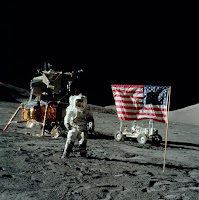
In light of the year’s fiction in this category, the selection of news footage from Apollo XI as the winner for Best Dramatic Presentation looks rather inspired. Certainly the special effects were extraordinarily realistic (given that they were real), viewers were emotionally engaged by the memorable characters such as Buzz Aldrin, and Neil Armstrong, and the work did provide some of the most quotable dialogue in dramatic presentation history (who could ever forget lines like “One Giant Leap For Mankind”?).
The news footage is interesting, but needed an editor to tighten it down to a shorter run time and to provide context. Rather than going back and watching the original news footage, we would recommend watching the spectacular IMAX documentary Apollo 11. The event and the documentation holds up remarkably well 53 years later.
There was at least one major omission from the Hugo Awards ballot: Destroy All Monsters. The ninth, and arguably most bonkers, of Ishirō Honda’s Godzilla movies brings together kaiju from all previous entries in the series. This is the Avengers: Endgame of the GCU (Godzilla Cinematic Universe.) It is likely that among our viewing group, this would have been the top pick amongst actual movies and TV shows that year. Likewise, it's possible that one of the late episodes of Star Trek such as "All Our Yesterdays" might have warranted an inclusion … though even this might be a stretch.
After several years in which Hugo nominators had an embarrassment of riches to choose from, the well had gone suddenly dry, and there was little top tier science fiction on screen.
It still feels weird to honour real history in a category that has otherwise been exclusively dedicated to fiction, but if not for Apollo XI, this might have been the first year that we suggested a No Award result.
The nomination process wasn’t helped by a moral panic among a recalcitrant conservative faction of fandom. With the site selection vote having given the 1970 Worldcon to Heidelberg, West Germany, there were fears that the Hugos would be taken away from the English-speaking West, that the United States might never have another Worldcon, and that the Best Novel shortlist would be comprised of nothing but Perry Rhodan books. Members of the 1969 WSFS business meeting passed several motions trying to prevent this speculative calamity, including provisions that put restrictions on the language that the Hugo finalist could be published in (spoiler: English only).
Thankfully, fandom has moved beyond this type of knee-jerk panic. There’s no object lesson to be learned from what happened in 1970, and none of these events are at all relevant to anything going on in Worldcon fandom in 2023.
This change meant that in 1970, the Japanese action movie Latitude Zero and the Italian-French comedy Hibernatus were ineligible. Although neither movie is a classic, either one would have been a more interesting finalist than most of the works on the shortlist.
Of the films that did make the shortlist, the most serious is the high-budget Marooned, a Martin Caidin-penned tale of three American astronauts dealing with technical problems during a NASA mission. Although the movie has high-wattage star power featuring (among others) Gregory Peck and Gene Hackman, it is astonishingly dull and monotonous.
There are a few redeeming moments in Marooned; the heroic role of Russian cosmonauts and the international cooperation depicted is certainly refreshing for the era. And there is an excellent taut sequence in which one of the astronauts is asked to sacrifice himself to save oxygen for the rest of the crew. But overall, it is an astonishingly dreary movie to endure.
It’s interesting that Marooned and 2001: A Space Odyssey were filmed on comparable budgets at approximately the same time. Although it won an Academy Award for special effects, Marooned seems cheap and shoddy by comparison to Kubrik’s masterpiece.
The Illustrated Man, based on Bradbury’s collection of stories, is mediocre in more perplexing ways. Much like the collection it’s based on, the movie uses a man’s tattoos as a narrative framework to tell various stories, including Bradbury’s “The Veldt,” “The Long Rain,” and “The Last Night of the World.”
While any of these stories could have been adapted into serviceable episodes of The Twilight Zone, they don’t work well when combined into one overarching narrative. Compounding this tonal mismatch is leaden dialogue and hammy acting.
The most controversial of the shortlist for us turned out to be The Bedsitting Room, a frankly bizarre post-apocalyptic comedy set in the ruins of London in the wake of a nuclear war. Based on a stage play by Goon Show legend Spike Milligan, the movie rambles between the 20 or so survivors of the atomic fires as they go about their daily lives and come into incredibly petty conflicts and surreal misadventures.
The Bedsitting Room is elevated by an exceedingly strong cast including Dudley Moore, Rita Tushingham, Peter Cook, and Marty Feldman (in his film debut).
 |
| In the bright cold air, you seemed as innocent and fair as Rita Tushingham in 1969. (Image via IMDB) |
Very little in the movie makes sense, whether it’s an elderly woman spontaneously turning into a piece of furniture, an aquatic bishop swimming up from a lake to perform a forced marriage, or the cast being listed in the credits by order of height. While those of us with strong cultural ties to the United Kingdom found some of these moments funny, overall it was a difficult movie to appreciate.
The nearly forgotten and short-lived television series The Immortal may have been the strongest fictional work on the ballot in 1970.
The show is a story about Ben Richards, a race car driver whose genetics render him impervious to disease and likely to live an extended lifespan. The show puts him in conflict with a billionaire who wants to kidnap him and harvest his blood. Much like Richard Kimble, The Incredible Hulk, or Johnny Bago, the series follows the protagonist as he flees across the country.
The Immortal — which didn’t even last a full season — wasn’t great. They took a decent novel by James E. Gunn, sanded the rough edges off it and made it safe and generic television. However, the fact that most of our cinema club would have put it on the top of our ballots is an indictment of the quality of screen SFF that year.
 |
| Produced by Universal's famous "factory" model of television storytelling, the Immortal is remarkably similar to many of the studio's shows. (Image via ComfortTV) |
The news footage is interesting, but needed an editor to tighten it down to a shorter run time and to provide context. Rather than going back and watching the original news footage, we would recommend watching the spectacular IMAX documentary Apollo 11. The event and the documentation holds up remarkably well 53 years later.
There was at least one major omission from the Hugo Awards ballot: Destroy All Monsters. The ninth, and arguably most bonkers, of Ishirō Honda’s Godzilla movies brings together kaiju from all previous entries in the series. This is the Avengers: Endgame of the GCU (Godzilla Cinematic Universe.) It is likely that among our viewing group, this would have been the top pick amongst actual movies and TV shows that year. Likewise, it's possible that one of the late episodes of Star Trek such as "All Our Yesterdays" might have warranted an inclusion … though even this might be a stretch.
After several years in which Hugo nominators had an embarrassment of riches to choose from, the well had gone suddenly dry, and there was little top tier science fiction on screen.
It still feels weird to honour real history in a category that has otherwise been exclusively dedicated to fiction, but if not for Apollo XI, this might have been the first year that we suggested a No Award result.